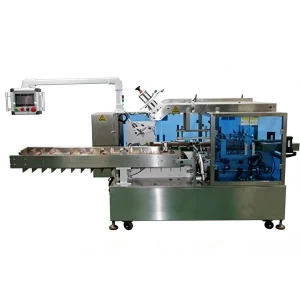
The liquid filling equipment landscape in China has transitioned from simple mechanical automation to sophisticated, data-driven systems integration. For global procurement officers, understanding the Chinese manufacturing ecosystem is key to optimizing supply chains.
China's dominance in the cosmetics machinery sector is built on rapid iteration cycles and massive economies of scale. Factories in Guangzhou have become global hubs, leveraging a mature supply chain that integrates high-precision sensors, PLC controllers, and rapid 3D prototyping. This allows vendors to offer modular filling systems that adapt to high-viscosity materials—such as BB creams and serums—with unprecedented speed.
A: Through a 5,000㎡ facility with rigorous in-house R&D, assembly, and testing protocols.
A: Yes, our modular design supports quick changeovers for diverse, high-frequency product launches.
A: We provide a remote support system covering multilingual operation and virtual commissioning services globally.
 haoruide